


Recent posts
Jan 30, 2026
Jan 30, 2026
Florida Police Announce Largest Illegal...
Jan 28, 2026
Florida Advances Two Tobacco-Related Bills:...
- Jan 26, 2026
- By WTVAPGO
- 0 comments
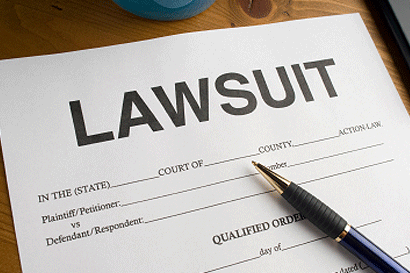
Denver’s Flavored Tobacco Ban Faces Lawsuit from Vaping Industry, Plaintiffs Seek Permanent Injunction
A flavored tobacco product sales ban passed by the City of Denver, Colorado in 2024 and effective as of January 1, 2026, is being challenged in court by a local vaping industry group. The plaintiffs argue that core terms in the ordinance are unconstitutionally vague and unenforceable under the Colorado Constitution, and that the ban also raises issues under the U.S. Constitution—including equal protection, the dormant Commerce Clause, and the First Amendment. They are asking the court for a permanent injunction to halt enforcement.
Key Takeaways
- Plaintiff: Rocky Mountain Smoke Free Alliance (RMSFA), representing about 125 Colorado vaping small-business owners, and manufacturer members
- Defendants: The City of Denver and the Denver Department of Public Health & Environment (DDPHE)
- Challenged ordinance: Denver Ordinance 24-1765; approved by voters in November 2025; effective January 1, 2026
- Main argument: Key terms—such as references to a “cooling” or “numbing” sensation—are overly subjective and lack workable standards, making the law vague and unenforceable
- Other constitutional claims: Equal protection (hookah tobacco exemption), dormant Commerce Clause (packaging changes for the Denver market), and First Amendment (flavor words/images on packaging as commercial speech)
According to Law360, the Rocky Mountain Smoke Free Alliance (RMSFA)—which represents roughly 125 small-business owners in Colorado’s vaping sector—filed suit in Colorado state court seeking a permanent injunction and declaratory relief against Denver’s flavored tobacco sales ban (Ordinance 24-1765). The group is asking the court to allow the continued sale of flavored tobacco and e-cigarette products.
Denver’s flavored tobacco sales ban was approved by voters in November 2025 and took effect on January 1, 2026.
In its complaint, RMSFA argues that several key terms used in the ordinance are impermissibly vague—particularly descriptions involving a “cooling” or “numbing” sensation—because such effects are highly subjective, lack a commonly accepted definition, and therefore do not provide clear, enforceable standards. The plaintiffs contend this vagueness makes the ordinance unconstitutional under the framework of the Colorado Constitution.
The complaint also alleges that, in determining whether a product falls within the ban, the city and DDPHE have considered referencing online consumer reviews or similar information. RMSFA argues this approach could expose products and retailers to misleading reviews or even manipulation, creating unpredictable enforcement risks.
Additional Federal Constitutional Arguments
- Equal Protection: The ordinance exempts hookah tobacco. RMSFA argues hookah products also contain flavors and may pose greater health risks, so the differential treatment lacks a rational basis.
- Dormant Commerce Clause: The plaintiffs claim the ban effectively forces tobacco retailers and suppliers outside Denver to change packaging for the Denver market, imposing an improper burden on interstate commerce.
- First Amendment: RMSFA asserts that flavor-related words and images on packaging constitute commercial speech used to promote products, and that restricting them unlawfully infringes free speech rights.
RMSFA further claims the ordinance could affect about 575 tobacco retailers in Denver, potentially reducing the city’s annual tax revenue by roughly $13 million, while also contributing to growth in unregulated flavored product sales.
2Firsts previously reported that the ordinance was initially passed by the Denver City Council in December 2024, and was later affirmed by a November 2025 voter referendum (with a reported approval rate of nearly 72%). During the referendum period, former New York City mayor and Bloomberg founder Michael Bloomberg donated $1.5 million to organizations supporting the flavored tobacco ban.
Image source: Law360