




February 26, 2026
A bill known as the HB 5437 “Vape Safety Act”, introduced by State Representative David McCormick, has advanced through the House Health and Human Resources Committee. The bill was recommended to the full House in the form of a committee substitute and will next be reviewed by the House Judiciary Committee. The legislation proposes a state licensing system for specialty retailers selling vape, tobacco, or alternative nicotine products.
Key Points
- HB 5437, the Vape Safety Act, was recommended by the House Health and Human Resources Committee and will move to the House Judiciary Committee.
- Specialty retailers selling tobacco, alternative nicotine, or vapor products would be required to obtain a state license from the Alcohol Beverage Control Administration (ABCA).
- Vape/tobacco specialty stores are defined as retailers dedicating at least 33% of floor space to such products, and the premises cannot be used as a residence or human habitation.
- The proposed annual licensing fee would be $1,200, up from the current $100. Operating without a license could result in a misdemeanor charge, a fine of up to $10,000, and up to one year in jail.
- The bill proposes a Vapor Product Directory: manufacturers must show FDA authorization or demonstrate compliance with the 2016/2020 PMTA timeline. The directory would be updated monthly starting September 1, with a 21-day sell-off period for removed products.
2Firsts, February 26, 2026
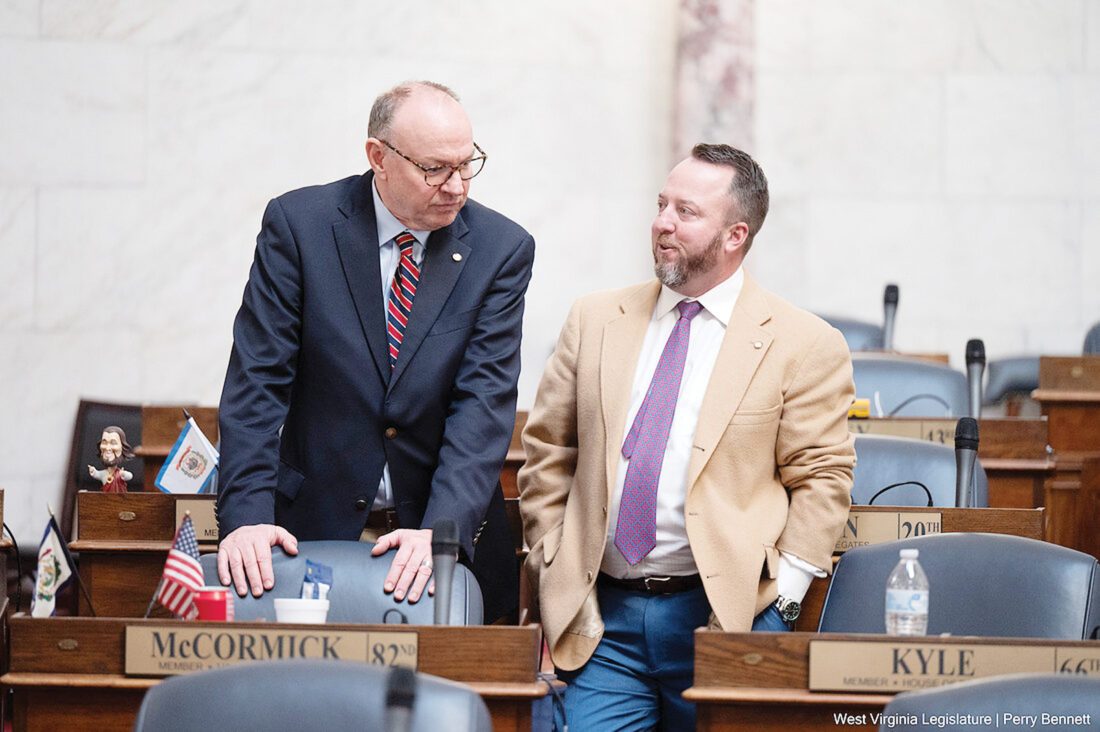
According to The Inter-Mountain, a bill introduced by State Representative David McCormick (R-Monongalia) aimed at regulating the expansion of vape and e-cigarette businesses passed the House Health and Human Resources Committee on Monday afternoon.
The committee recommended the bill, House Bill 5437 (HB 5437), known as the Vape Safety Act, to the full House in the form of a committee substitute. The next step for the legislation is review by the House Judiciary Committee.
HB 5437 would require all specialty retailers selling tobacco products, tobacco-derived products, alternative nicotine products, vapor products, or related accessories to obtain a state license from the Alcohol Beverage Control Administration (ABCA). The report states that the license would require a comprehensive criminal background check and payment of an annual fee.
The bill specifically targets vape and tobacco specialty shops, defining them as retail stores where at least 33% of the business’s floor space is dedicated to these products. It also specifies that no part of such a shop may be used as a residence, dwelling, or place of human habitation.
McCormick said in an interview that HB 5437 aims to regulate an industry that he described as “largely unregulated and largely untaxed,” noting that vape shops have become widespread across the state. He also said that while many retailers operate legally and responsibly, the bill is designed to address “bad actors” involved in selling or marketing products to minors.
The bill would require vape shop owners to be U.S. citizens. The background check would disqualify applicants who have been convicted of offenses such as perjury, false swearing, or crimes punishable by more than one year of imprisonment. License holders would also be required to disclose all individuals who have “control” over the applicant entity, including parent companies and key personnel. Licenses would not be transferable.
The proposed annual licensing fee would increase to $1,200, replacing the current $100 fee, and would also include prorated and reactivation fees. Operating without a license could result in a misdemeanor charge with a maximum fine of $10,000 and up to one year of imprisonment.
McCormick said that licensing revenue would be split equally between the Attorney General’s Office and the ABCA to help fund enforcement and testing costs. He also said the regulatory model was partly based on licensing rules used for Limited Video Lottery (LVL) establishments. The bill includes various civil and criminal penalties and establishes routine inspection procedures.
HB 5437 also proposes the creation of a Vapor Product Directory, jointly administered by the state tax commissioner and the alcohol beverage control commissioner. Starting July 1, manufacturers would be required to demonstrate that their products either have received FDA marketing authorization or were on the market as of August 8, 2016 and had a Premarket Tobacco Product Application (PMTA) submitted by September 9, 2020 that remains under FDA review.
McCormick said the directory would essentially serve as a list of vape products that are either approved by the FDA or currently under review. He also noted that FDA approvals have been slow and that many PMTA applications remain pending. According to the bill, companies would be able to qualify for the directory by demonstrating that their PMTA submission is still under review.
The directory would be publicly available and updated monthly beginning September 1. If a product is removed from the directory, retailers and wholesalers would have 21 days to clear existing inventory. After that period, the product would be considered contraband and could be seized and destroyed. Retailers, wholesalers, or manufacturers selling products not listed in the directory could face civil penalties of $100 per product per day.
The bill would also strengthen labeling requirements, requiring products to include health warnings, legal purchase age information, and a full ingredient disclosure listed by weight from highest to lowest concentration.
McCormick said the legislation also addresses marketing practices targeting children, including branding or flavors resembling cereals, candy, or bubble gum. He said that such practices “will no longer be legal.” He also suggested that the combination of licensing requirements and enforcement measures could reduce the number of vape shops, while compliant businesses that do not sell to minors would continue operating.
Image source: The Inter-Mountain