


Recent posts

Feb 05, 2026
Feb 05, 2026
Virginia Introduces HB 308: Proposed...
Feb 05, 2026
Dalton, Georgia Considers Stricter Rules...
- Feb 02, 2026
- By WTVAPGO
- 0 comments
Alabama Senate Passes Tobacco Control Bill: Statewide Indoor Vaping Ban Proposed
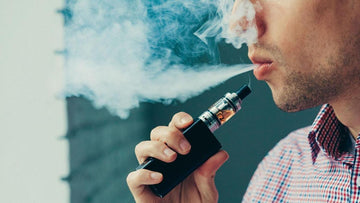
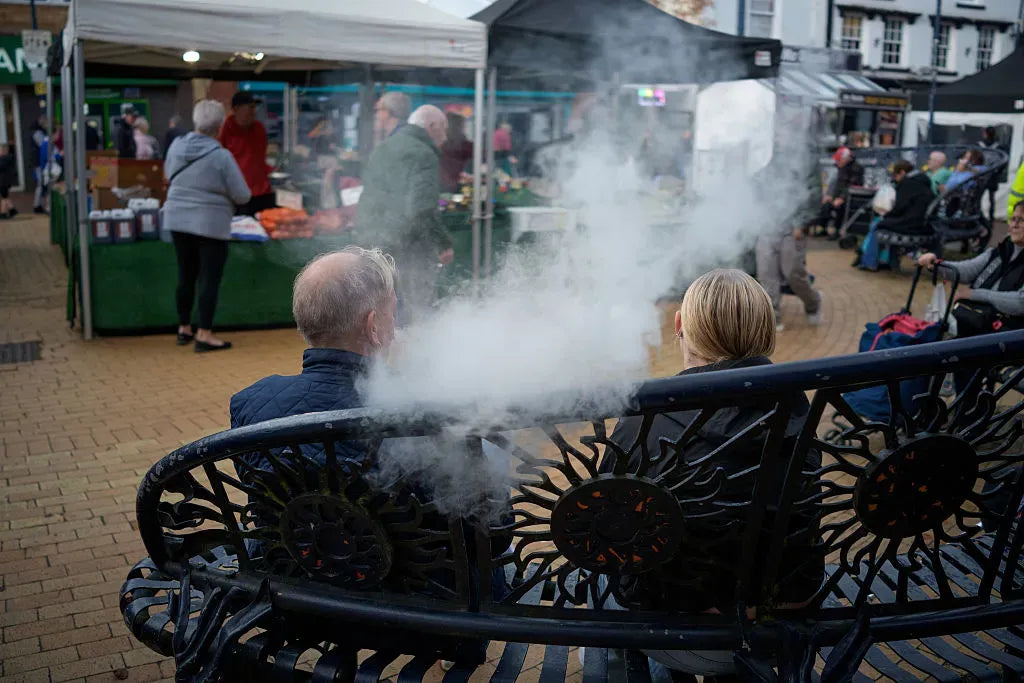
The Alabama Senate has passed Senate Bill SB9 by a vote of 31–1, advancing legislation that would prohibit the use of electronic cigarettes in indoor public places across the state. The bill aligns vaping restrictions with existing indoor smoking bans.
Key Takeaways
- Status: SB9 passed the Alabama Senate by a vote of 31–1 and has been sent to the Alabama House of Representatives for consideration.
- Core Provision: Vaping would be prohibited in all indoor public places where smoking is already banned under current law.
- Covered Locations: Restaurants, hospitals, schools, libraries, retail stores, shopping malls, airports, and other indoor public facilities.
- Penalties: No new penalties would be introduced; violations would continue to be subject to the existing USD 25 fine.
- Effective Date: If enacted, the law would take effect on October 1, 2026.
According to WHNT, the Alabama Legislature is moving forward with legislation that would extend indoor vaping restrictions statewide. SB9 proposes that electronic cigarettes be included wherever smoking is currently prohibited under Alabama law.
Specifically, the bill would ban the use of vaping devices in indoor public places such as restaurants, hospitals, schools, libraries, retail stores, shopping centers, and airports.
In addition, SB9 proposes renaming the Alabama Clean Indoor Air Act to the Vivian Davis Figures Clean Indoor Air Act, in recognition of former state senator Vivian Davis Figures, who played a key role in advancing the original smoke-free legislation.
From an enforcement perspective, SB9 does not introduce new penalties. Individuals found violating the indoor vaping ban would remain subject to the existing fine of USD 25, consistent with current indoor smoking regulations.
The bill has now been transmitted to the Alabama House of Representatives. If approved by the House and signed into law, the expanded indoor vaping ban would officially take effect on October 1, 2026.
Source: 2Firsts, February 2, 2026
Image credit: WHNT
Image credit: WHNT